

Do Retro Pendulum Clocks require special maintenance?
Hey there, clock enthusiasts! As a supplier of Retro Pendulum Clock, I've had my fair share of folks asking me if these beauties require special maintenance. So, I thought I'd sit down and write this blog to clear up any confusion.
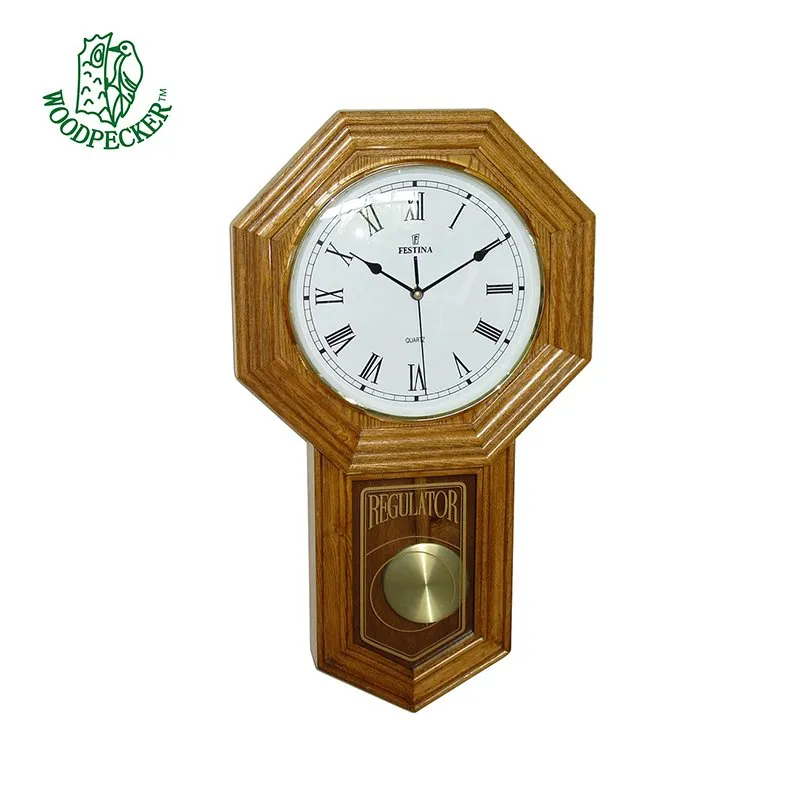
First off, let's talk about what makes retro pendulum clocks so special. These clocks aren't just time - keeping devices; they're pieces of history. They hark back to a time when craftsmanship was king, and every tick and tock was a testament to the skill of the clockmaker. Whether it's the Stately Wooden Wall Clock with its elegant design or the Traditional Schoolhouse Pendulum Clock that brings back memories of old - fashioned classrooms, these clocks have a charm that's hard to resist.
Now, onto the big question: do they need special maintenance? Well, the short answer is yes, but it's not as daunting as it might sound.
Cleaning
One of the most basic forms of maintenance for a retro pendulum clock is cleaning. Over time, dust can accumulate on the clock's exterior, the glass face, and even inside the mechanism. For the outside, a soft, dry cloth is usually all you need. Gently wipe down the wood, brass, or other materials to keep them looking shiny and new.
When it comes to the glass face, you can use a mild glass cleaner. Just spray a small amount on a clean, soft cloth, and then wipe the glass in a circular motion. Avoid spraying the cleaner directly on the clock to prevent any liquid from seeping into the mechanism.
As for the inner workings, this is where things get a bit more delicate. If you're comfortable doing it, you can use a can of compressed air to blow out any dust that's gathered inside the clock. But if you're not confident, it's best to leave it to the professionals. A clockmaker will have the right tools and expertise to clean the mechanism without causing any damage.
Lubrication
The moving parts of a retro pendulum clock need to be lubricated regularly. Over time, the lubricant that was originally applied will dry out, causing the parts to rub against each other more. This can lead to increased wear and tear, and in some cases, it can even cause the clock to stop working altogether.
The frequency of lubrication depends on a few factors, such as the age of the clock, its usage, and the type of mechanism it has. As a general rule of thumb, a well - maintained clock might need to be lubricated every three to five years. However, if the clock has been in a harsh environment or has been used more frequently, it might need to be lubricated more often.
When it comes to lubricants, it's important to use the right one. Not all lubricants are suitable for clock mechanisms. A clockmaker can recommend the best lubricant for your specific clock.
Leveling and Adjusting
A retro pendulum clock needs to be level for it to work properly. If the clock is tilted, the pendulum won't swing correctly, and the clock will either run too fast or too slow. To check if your clock is level, you can use a small bubble level. Place it on top of the clock or on the base, and adjust the feet until the bubble is centered.
The pendulum also needs to be adjusted from time to time. If the clock is running too fast, you can lower the pendulum slightly by turning the adjustment nut at the bottom of the pendulum. If it's running too slow, you can raise the pendulum. It might take a few tries to get the timing just right, but with a bit of patience, you'll get there.
Protecting from the Environment
The environment in which you keep your retro pendulum clock can have a big impact on its lifespan. These clocks are sensitive to changes in temperature and humidity. Extreme temperatures can cause the wood to expand or contract, which can affect the movement of the clock. High humidity can lead to rust and corrosion, especially on the metal parts.
It's best to keep your clock in a room with a relatively stable temperature and humidity. Avoid placing it near heat sources like radiators or in direct sunlight, as this can cause the paint or finish on the clock to fade. If you live in an area with high humidity, you might want to consider using a dehumidifier in the room where the clock is kept.
Professional Servicing
Even if you're diligent about cleaning, lubricating, and adjusting your retro pendulum clock, it's still a good idea to have it serviced by a professional every few years. A professional clockmaker can do a thorough inspection of the clock, including checking for any worn - out parts that might need to be replaced.
They can also make any necessary adjustments that you might not be able to do on your own. And if there are any hidden problems with the clock's mechanism, the clockmaker will be able to diagnose and fix them before they become major issues.
In conclusion, while retro pendulum clocks do require special maintenance, it's all part of the joy of owning one of these beautiful timepieces. With a little bit of care and attention, your clock can keep ticking for generations to come.
If you're interested in purchasing a Retro Pendulum Clock, Stately Wooden Wall Clock, or Traditional Schoolhouse Pendulum Clock, don't hesitate to reach out for a procurement discussion. We're here to provide you with the best advice and products to meet your needs.

References
- "Clock Repair and Restoration Handbook" by Horological Institute
- "The Complete Guide to Pendulum Clocks" by Clockmakers Guild