

Wooden Clock
Qisangzigo: Your Professional Wooden Clock Manufacturer!
Qisangzigo Co., Ltd is a leading manufacturer and supplier of wooden handicrafts. Our company was established in 1989 and is located in Foshan City, China, currently has 100 employees and a factory area of approximately 20,000 square meters. Currently, we mainly sell quartz wall clocks, wood products, thermometers, barometers, wooden boxes, clocks and other products. The products are mainly made from sustainable wood, but we also use other materials such as acrylic and MDF.
Rich Product Range
Our wide range of wood products includes wall clocks, wood products, clocks, handicrafts, alarm clocks, thermometers, barometers, wooden boxes and allows customers to choose from a variety of styles and patterns.
Well Equipped
We have our own wood processing center and modern production lines, equipped with CNC engraving lathes, stamping machines, drilling machines, end lathes and other equipment, with a monthly output of 30,000 watches.
Quality Assurance
We use natural or recycled wood to make these products, and manage our workshops and production lines in accordance with ISO standards to ensure that our products meet international standards such as CE and ROHS.
Customized Services
Our team not only develops new products but also accepts special orders from customers and produces different products according to needs, including OEM, ODM, processing with supplied materials, logo customization and other services.
-
Classic Antique Pendulum Clock
A pendulum clock is a clock that uses a pendulum, a swinging weight, as its timekeeping element.
-
Oak Solid Wooden Wall Clock
Brand: Woodpecker, OEM, ODM. Materials: Rubber wood. Product size: 36×5.3×36cm. Carton size:
-
Ellipse Wall Clock
Brand: Woodpecker, OEM, ODM. Materials: Pine wood. Product size: 41.5×4.5×31.5cm. Carton size:
-
Polygonal Wall Clock
Brand: Woodpecker, OEM, ODM. Materials: Pine wood. Product size: Φ29.5×4cm. Carton size:
-
Farmhouse Worn Wooden Clock
Brand: Woodpecker, OEM, ODM. Materials: Solid wood. Product size: Ø28×4cm. Carton size: 54×30×31cm
-
Plumeet Wall Clock
Brand: Woodpecker, OEM, ODM. Materials: solid wood. Product size: Ø32.8×4cm. Carton size:
-
Classic Wall Clock
Brand: Woodpecker, OEM, ODM. Materials: Solid wood. Minimum order quantity: 200pcs. Power source:
-
Vintage Wall Clock
Brand: Woodpecker, OEM, ODM. Materials: solid wood. Product size: Ø28×4cm. Carton size: 54×30×31cm
-
Minimalist Wall Clock
Brand: Woodpecker, OEM, ODM. Materials: solid wood. Product size: Ø28×5cm. Carton size: 64×30×31cm
-
Aluminium Surface Wall Clock
Brand: Woodpecker, OEM, ODM. Materials: solid wood. Product size: Ø26.5×4cm. Carton size: 54×30×31cm
-
Modent Wall Clock
Brand: Woodpecker, OEM, ODM. Materials: solid wood. Product size: 26.5×4x26.5cm. Carton size:
-
Imitation Mechanical Wall Clock
Brand: Woodpecker, OEM, ODM. Materials: solid wood. Product size: 25×6x28cm. Carton size:


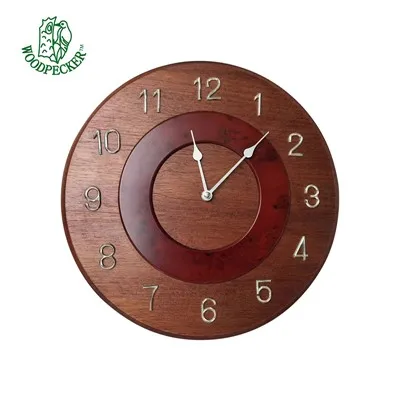

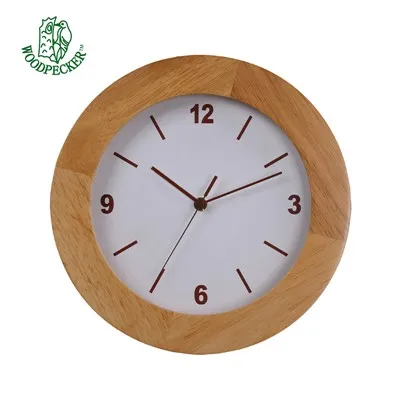


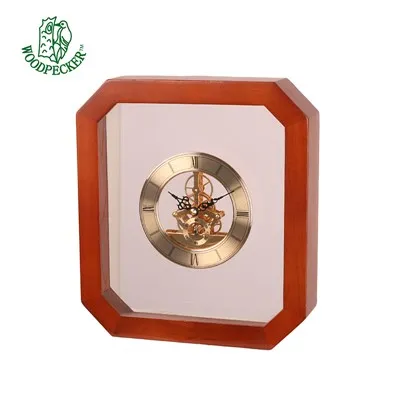
There are many colors available for customers to choose, and the color of products can also be customized according to customer's requirement.
Wood is one of the most common materials used for making clocks. Wooden antique clocks are a popular choice for many collectors because not only are they durable, but they can also easily blend well in many home interior designs. Here is a list of different types of woods found to make wall clocks, including Walnut, Zebrano, Rosewood, Oak, Olive, Maple and the delightful Mango. A wooden clock can add a touch of warmth and authenticity to any room. The natural grains and textures of wood can create a visually appealing look in any setting, from a home office or living room to the kitchen or bedroom.
Features of Wooden Clock
Various Styles
Our wooden clocks are made of wooden boards without additional metal frames, and the overall design is very clean and tidy. Their appearance can be made in rustic, Japanese or European styles to decorate any kitchen or room.
Silent Movement
These timepieces are built with quartz movements that have been repeatedly tested to ensure complete silence. We eliminated the second hand, allowing users to say goodbye to the annoying ticking sound, especially in the quiet night.
Simple Read
They come in a standard wall clock size of 12 inches and feature a simple engraved number panel with long hands to indicate the real time, making them easy to read from any corner of the room.
Easy to Use
Our wooden clock comes with hooks and a wide slot on the back, making it easy to hang in various corners, such as living rooms, bedrooms, kitchens, and classrooms.
All clocks are not created equal. There are three main types of clocks: mantle clocks, pendulum clocks and digital or mechanical wall clocks. Each type has its own unique style and purpose.
Pendulum Clock
A pendulum clock is a timepiece that uses a pendulum, a weight suspended from a pivot, as its timekeeping element. They were first created and used in 1656 and used weight, or pendulum, to keep time. The inventor is Dutch scientist Christiaan Huygens.
They are one of the oldest and most accurate types of clocks. The pendulum swings back and forth, and the clock counts the number of swings to keep track of the time. They are very accurate. Pendulum clocks are usually made of wood or metal. The advantage of a pendulum for timekeeping is that it is a very precise instrument.
Mantle Clock
Mantle-type clocks also known as chimney clocks are the type of wall clock that is typically placed on a mantle or shelf. These clocks are usually very ornate, with intricate designs and detailed features. Mantle clocks have been around for centuries, and are still a popular choice for many people who are looking for a sophisticated and elegant clock. Whether it's the tick-tock sound it makes or the way it looks sitting on your fireplace mantle, these clocks are a timeless addition to any home.
Wall Clocks
If you're looking for a new wall clock, you might be overwhelmed by all of the different types available. There are clocks for every style and budget, so it's important to do your research before making a purchase. Here is a quick rundown of some of the most popular types of wall clocks.
●Traditional Mechanical Wall Clocks
There is something special and timeless about a traditional mechanical wall clock. Unlike digital clocks that rely on batteries or electricity, mechanical clocks are powered by weights or springs and must be wound regularly. The ticking of the clock is soothing, and the gentle pendulum swing is mesmerizing. Whether your style is antique or modern, there is a mechanical clock to suit your taste. There are a few reasons why many people prefer traditional mechanical wall clocks. For one, mechanical wall clocks are very accurate. They keep time much better than digital clocks, which can lose or gain time over the course of a day. Mechanical clocks are also much more durable than digital clocks. They don't have any fragile parts that can break, so you don't have to worry about them stopping working after a few years. Another reason people like mechanical wall clocks is that they're very easy to use
●Digital Wall Clocks
A digital wall clock is a type of clock that uses an electronic display to show the time. They are often used in public places, such as schools and offices, where it is important to have an accurate time display. Digital wall clocks are available in a variety of styles and can be customized to fit the specific needs of any space. There are many reasons why people may prefer digital wall clocks over traditional mechanical clocks. They tend to be more versatile, as they can often display the time in various time zones or even countdown to a specific event. Additionally, digital clocks tend to use less power than analog clocks, which can be a consideration for those who are trying to be eco-friendly.
●Quartz Clock
There are many different styles of quartz wall clocks to choose from, so you're sure to find one that matches your home décor. A quartz wall clock is a battery-operated clock that uses an electronic oscillator to keep time. This oscillator is a piezoelectric crystal that vibrates at a very precise frequency, which is used to keep time.
If you are looking to add an attractive and affordable home decor piece to your space? The wooden clocks could be the perfect choice for you. Despite the modern and new designs available wooden clocks remain a timeless choice for many people. In this blog, we will explore 5 reasons why wooden clocks are timeless.
They Create Balance
Among other decorative items, wooden clocks are one of the best. Due to the use of natural materials, they can blend in with almost any interior. The unique grain patterns, textures, and hues of different wood types help in creating an illusion of balance.
Create Great First Impressions
Wood is among the premium materials used in many furniture and home decor products. By adding a classic wall clock to your living or guest room. You can create a great first impression, your guest will surely be charmed by it.


Versatility
Wooden clocks come in a wide range of styles, from traditional to modern, and can easily match different home designs. There is a wooden clock to fit every taste, whether you favour a rustic farmhouse appearance, a clean and minimalist design, or a vintage-inspired item. Wooden clocks may easily blend into any home or office decor due to their adaptability.
Durability
Wood is a durable material that, with proper maintenance, may survive for many generations. Buy wooden clocks online that are built to last and maintain their functionality and beauty due to their strong construction. Wood is less likely to scratch and sustain damage than certain other materials, making wooden clocks a dependable and long-lasting purchase.
They are Chic
Wooden clocks have a timeless and chic appeal that never goes out of style. They add a touch of warmth and natural beauty to any space, making them a popular choice for interior designers and homeowners alike. Whether you prefer a traditional or modern look, wooden clocks are a versatile and stylish addition to any home decor.
Factors to Consider When Choose Wooden Clock
These days, wristwatches, fitness trackers and mobile devices are the go-to solutions when you need to check the time and stay punctual for everyday work or special events. However, a wall clock is still an integral part of your home décor, especially if it is crafted with wood. Apart from telling the time, it can add oodles of elegance, warmth and personality to any room. So, how to choose the right wooden clock? Here are some tips that will help you make an informed decision.
Consider the Size of the Room
While choosing a wooden clock for home use, first consider how big or small your room is. A big clock looks good in a spacious room, while a small one looks better in a compact room. Otherwise, the clock might overpower the room or look insignificant. Keep the size of the other furniture pieces in mind too, so that the clock complements them. Also, if you are buying a big clock, make sure the wall against which you intend to hang it is not already crowded with paintings or photos.
Don’t Ignore the Room’s Décor Style
The perfect wooden clock for a living room, bedroom, study or dining room is one that matches the décor theme of the space. For instance, if your room features ornate furniture and heavily patterned rugs, a beautifully carved vintage or oriental clock will be ideal. However, if your room boasts sleek and trendy furniture, simple accessories and solid hues, a modern or minimalistic clock will be better suited. Neat clock designs also work well with Asian style or industrial style rooms.
Identify the Purpose of the Room
One of the top tips to find a wooden clock that looks good in a room is to decide what you will use the room for. For example, if you want a clock for your living room, then it should resonate with a relaxed vibe. The design, numerals and shape can be fancy. But, if you are picking a wooden clock for the study, it should be simple and numerals should be big enough to read quickly.
Focus on the Quality and Finishing of Wood
The right wooden clock will be made of the best quality wood that lasts, is robust and can justify its price. So, try and get a quality certification if possible. Also note the finishing, polish and colour. It should complement the rest of the furniture and accessories. Like, if your room features light-coloured furniture or pastel cushions, drapes and rugs, the clock should ideally have a light finish. However, you need to consider the wall colour too. If you want contrast, a light-hued wooden clock will look great on a dark wall and vice versa. Clocks in dual tones are also a good idea.
Look for Clocks That Deliver More
Before you buy a wooden clock online, check out innovative models that do much more than just show time and look good. Complete with hooks, storage slots and even small drawers, some clocks can be used to hang up keys and store important papers, bills, and even stationery. You can install one of these in your hallway to make it more utilitarian.
Maintenance Skills of Wooden Clock
Ensure that your decorative wall clock is not exposed to extreme temperature, humidity, or direct sunlight. Excessive heat, moisture, or sunlight can damage the clock's components, affect timekeeping accuracy, or cause the wood to warp or fade. Choose an appropriate location for your clock that avoids these extreme conditions.
When cleaning a wood clock, it's important to avoid harsh chemicals or abrasive cleaning solutions. They can damage the wood finish or leave behind residue. Instead, opt for a mild, non-abrasive wood cleaner or a mixture of warm water and a gentle dish soap. Apply the solution sparingly to a clean, damp cloth and gently wipe the surface of the wood clock. Don't let any solution sit on the wood for any length of time.
Dust accumulation on your decorative wall clock can dull the finish of the wood and obscure the natural beauty. Use a soft, lint-free cloth or a feather duster to remove dust from the surface of the clock gently. Make sure to reach into any crevices or intricate designs carefully to avoid damaging the clock.
Speaking of solution sitting on the wood, always be mindful of moisture levels when it comes to your clock. Wood is sensitive to moisture, so it's crucial to avoid excessive exposure to water or high humidity. When cleaning, make sure the cloth is only slightly damp, and immediately dry the clock's surface with a soft, dry cloth afterward. If you live in a humid environment, consider using a dehumidifier to regulate the moisture levels in the room.
Prolonged exposure to direct sunlight can cause wood to fade or develop discoloration over time. Consider the placement of your wood wall clock and try to avoid hanging it in areas where it will be subjected to direct sunlight for extended periods. If sunlight exposure is unavoidable, consider using window treatments or UV-protective films to minimize the impact.
Frequently Asked Questions of Wooden Clock
We're professional wooden clock manufacturers and suppliers in China, specialized in providing high quality customized service. If you're going to wholesale wooden clock made in China, welcome to get quotation from our factory. Good service and low price are available.
Dark Walnut Table Clock, Hygrometer and Barometer, Wooden Mantel Clock