

How do I choose the right wall for a wall clock?
Selecting the right wall for a wall clock is a crucial decision that can significantly impact both the functionality and aesthetics of your space. As a wall clock supplier, I've witnessed firsthand how the choice of wall can either make a clock a standout centerpiece or relegate it to an unnoticed corner. In this blog, I'll share some valuable insights on how to choose the perfect wall for your wall clock.
Consider the Functionality
The first step in choosing the right wall for your wall clock is to think about its primary function. Is it meant to be a practical time - telling device that you'll frequently glance at, or is it more of a decorative element?
If it's for practical use, you'll want to place it in a high - traffic area where you'll naturally look for the time. For example, in a kitchen, the clock should be placed on a wall that is visible from the cooking area, the dining table, and the sink. This way, you can easily check the time while cooking, eating, or doing dishes. In an office, a clock on the wall opposite your desk allows you to quickly see the time without having to turn your head too much.
If the clock is mainly for decoration, you have more flexibility in terms of placement. You can choose a wall that is part of a focal point in the room, such as above a fireplace or on a feature wall. This can enhance the overall visual appeal of the space.
Evaluate the Wall Space
The size and condition of the wall are also important factors. You need to ensure that the wall has enough space to accommodate the clock without looking cramped. Measure the dimensions of the clock and compare them to the available wall space.
For smaller clocks, like the Small Size Wall Clock, you can place them on a narrow wall or even as part of a gallery wall. These clocks can add a touch of charm and personality to a space without overwhelming it.
On the other hand, larger clocks require more substantial wall space. A large, statement - making clock can become the centerpiece of a room, but it needs a wall that can support its size. Avoid placing a large clock on a wall that is cluttered with other objects, as it will make the area look messy.
Lighting Conditions
Lighting plays a vital role in how well a wall clock is visible and how it looks in the room. Natural light can enhance the appearance of a clock, especially if it has a reflective surface or interesting details. Place the clock on a wall that receives adequate natural light during the day. However, be cautious of direct sunlight, as it can fade the colors of the clock over time.
In areas with limited natural light, such as basements or hallways, you'll need to rely on artificial lighting. Make sure that the wall where the clock is placed is well - lit by either ceiling lights, wall sconces, or table lamps. This will ensure that the clock is visible at all times and that its features are properly showcased.
Wall Color and Texture
The color and texture of the wall can either complement or contrast with the clock. A light - colored clock can stand out beautifully against a dark - colored wall, creating a bold visual statement. Conversely, a dark - colored clock can blend in seamlessly with a light - colored wall, providing a more subtle look.
Texture also matters. A smooth, painted wall can give a modern and clean look, while a textured wall, such as a brick or stone wall, can add a rustic and charming touch. Consider the style of the clock when choosing the wall color and texture. For example, a Square Wall Clock with a modern design might look best on a smooth, white wall, while a Ship Wheel Wall Clock with a nautical theme could be a great fit on a textured, weathered - looking wall.
Room Layout and Flow
The layout and flow of the room should also influence your decision. You don't want to place the clock in a position that disrupts the natural movement in the room. For instance, avoid placing it right in the middle of a doorway or a walkway.
Instead, look for a wall that is part of the room's natural sightlines. In a living room, this could be a wall that is visible from the seating area. In a hallway, a clock on a wall at the end can create a sense of depth and draw the eye down the corridor.

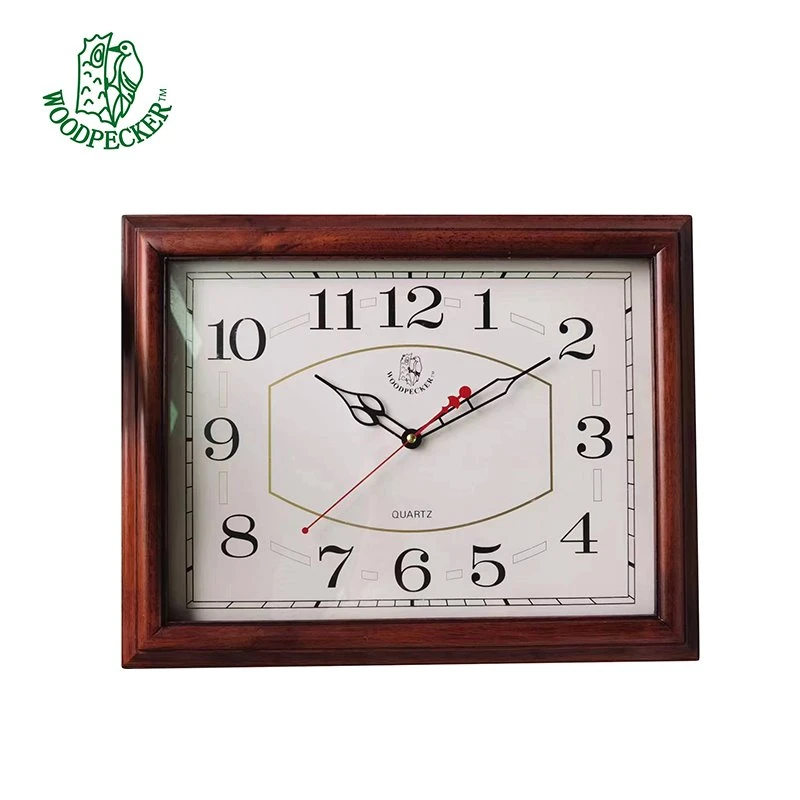
Compatibility with Other Decor
Finally, consider how the clock will fit in with the rest of the room's decor. The style of the clock should be in harmony with the overall design theme of the space. If the room has a traditional decor, a classic - style clock with ornate details would be a good choice. For a contemporary room, a minimalist clock with clean lines would be more appropriate.
Also, think about the other elements on the wall. If there are already paintings or photographs, make sure that the clock doesn't clash with them. You can use the clock as a way to tie different elements of the decor together.
In conclusion, choosing the right wall for a wall clock involves a careful consideration of functionality, wall space, lighting, color and texture, room layout, and compatibility with other decor. By taking these factors into account, you can ensure that your wall clock becomes a beautiful and practical addition to your space.
If you're in the market for a high - quality wall clock, we have a wide range of options to suit every style and budget. Whether you're looking for a small, decorative clock or a large, statement - making piece, we've got you covered. We're always happy to assist you in finding the perfect clock for your needs and helping you determine the best wall for it. If you're interested in discussing your requirements or making a purchase, feel free to reach out to us, and we'll be more than happy to start a conversation about your wall clock needs.
References
- Interior Design: Principles and Practice, by Madeline P. Levine
- The Decorating Bible, by Emma Sims - Hilditch